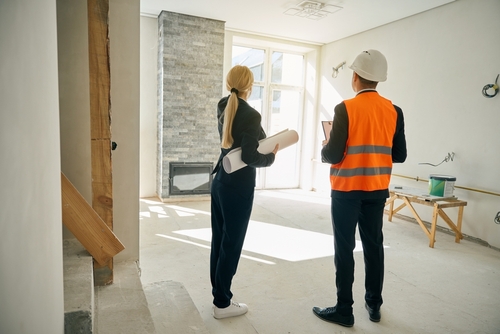
Choosing between building a custom home and buying new construction in Port Orange represents one of your biggest decisions in the home building process. Custom homes offer complete design freedom at $280-$400+ per square foot and 12-16 month timelines. Production homes in communities like Coastal Communities or Crane Lakes deliver faster completion (6-8 months) at $170-$220 per square foot but with limited customization. Neither option is objectively better – the right choice depends on your priorities, budget, timeline, and how much involvement you want in the design process.
This comparison breaks down every major difference between custom and production homes in Port Orange, helping you understand which path aligns with your needs, expectations, and resources.
Understanding the Core Difference
The fundamental distinction between custom and production homes extends beyond just cost and timeline.
Production Homes (New Construction Communities): Builders like Maronda Homes, ICI Homes, and Paytas Homes construct homes in planned communities using pre-designed floor plans. You select from available models (typically 5-15 options), choose your lot within the community, and customize within predetermined packages. Think of it like ordering from a menu – you can substitute side dishes and add extras, but the main course options are set.
Custom Homes: You work with a custom builder to design a home specifically for your family’s needs, either on land you own or land you purchase with the builder’s help. Every element – layout, size, style, materials, finishes – is your choice within budget constraints. This is like hiring a personal chef who creates a meal based entirely on your preferences and dietary needs.
According to the National Association of Home Builders, about 75% of new home buyers in Florida choose production homes in planned communities, while 25% pursue custom builds. The split reflects most buyers prioritizing speed and affordability over complete customization.
Design Flexibility Comparison
How much control you have over your home’s design varies dramatically between these options.
Production Home Flexibility: You’ll select from established floor plans ranging from 1,500 to 4,500+ square feet. Typical customization includes:
- Choosing from 3-5 exterior elevation options (different front facade styles)
- Selecting flooring types and colors from builder’s options
- Picking cabinet styles, countertop materials, and appliance packages
- Choosing paint colors from approved palettes
- Optional upgrades like crown molding, coffered ceilings, or upgraded lighting
What you typically cannot change in production homes:
- Overall footprint or room layout
- Moving walls or changing room sizes
- Adding rooms not shown in floor plans
- Significantly altering roof lines or exterior architecture
- Using materials or finishes outside builder’s standard offerings
Custom Home Flexibility: You control literally everything:
- Home size and layout designed specifically for your lifestyle
- Architectural style (Mediterranean, Contemporary, Craftsman, Modern, etc.)
- Room configurations, ceiling heights, window placements
- All materials, finishes, fixtures without restriction to pre-selected options
- Outdoor living spaces, garages, workshops customized to your needs
- Smart home integration, energy systems, and specialty rooms
The tradeoff: unlimited choices create unlimited opportunities to second-guess yourself. Decision fatigue is real when you’re selecting everything from roof shingles to doorknobs. Production homes limit choices, which some buyers find restrictive and others find liberating.
Cost Comparison and Budget Considerations
Price differences between custom and production homes extend beyond the per-square-foot numbers.
Production Home Costs (Port Orange 2026):
- Base price: $170-$220 per square foot
- Typical 2,000 sq ft home: $340,000-$440,000
- Common upgrades add: $20,000-$60,000
- Lot premiums (corner, cul-de-sac, lake view): $10,000-$50,000
- Total typical cost: $380,000-$540,000
Production homes include:
- Lot and all site preparation
- Standard builder-grade finishes throughout
- Landscaping package (usually basic)
- Included appliances (typically mid-grade)
- Driveway and walkways
- Warranty (minimum 1 year)
Custom Home Costs (Port Orange 2026):
- Construction: $280-$400+ per square foot
- Typical 2,000 sq ft home: $560,000-$800,000
- Land (purchased separately): $60,000-$400,000+
- Site prep and utilities: $15,000-$50,000
- Total typical cost: $635,000-$1,250,000+
Custom homes typically exclude:
- Land cost (purchased before or during planning)
- Extensive landscaping (usually separate contract)
- Appliances (sometimes included, often separate)
- Some finish selections priced as allowances
- Additional architectural/engineering fees if required
Hidden Cost Differences: Production builders absorb some costs through volume purchasing and community development. They’ve already paid for community infrastructure, negotiated better material pricing, and streamlined construction processes. Custom builders pass along actual costs plus markup, resulting in higher per-unit expenses even for similar quality materials.
Timeline Differences
How quickly you move from decision to move-in varies significantly between these approaches.
Production Home Timeline:
- Select lot and floor plan: 1-2 weeks
- Contract and financing: 2-3 weeks
- Construction (from contract): 6-8 months
- Total from decision to move-in: 7-9 months
Production timeline advantages:
- Model homes let you see exactly what you’re buying
- Proven floor plans avoid design phase entirely
- Community infrastructure already exists
- Builder manages all subcontractors and suppliers
- Established processes minimize delays
Custom Home Timeline:
- Land search and purchase: 1-3 months
- Builder selection and contracting: 1-2 months
- Design and architectural plans: 2-4 months
- Permitting: 1-2 months
- Construction: 8-12 months
- Total from decision to move-in: 13-23 months
Custom timeline challenges:
- Design changes extend planning phase
- Unique materials may face longer delivery times
- Each custom home requires new permits and reviews
- Waterfront or complex sites add permitting time
- Weather delays impact construction phase
For buyers needing to move quickly (job relocation, lease expiring, selling current home), production homes’ faster timeline often proves decisive. Custom home buyers need flexibility to accommodate longer and less predictable schedules.
Location and Lot Selection
Where you can build differs between these options, affecting your neighborhood choices.
Production Home Locations: You’re limited to communities where builders actively construct. In Port Orange, this currently includes:
- Coastal Communities (Maronda Homes)
- Various sections of Crane Lakes (multiple builders)
- Hidden Lakes developments
- Scattered smaller communities
Advantages:
- Amenities included (pools, playgrounds, trails)
- Established HOAs handle maintenance
- Neighbors in similar life stages/home values
- Community events and social opportunities
- Proven locations with known characteristics
Disadvantages:
- Limited neighborhood choices
- Can’t build on inherited family land
- May not be in your preferred Port Orange area
- HOA rules restrict future modifications
- Cookie-cutter appearance in some communities
Custom Home Locations: You can build anywhere with available land:
- Waterfront lots along Halifax River or Spruce Creek
- Infill lots in established Sugar Mill or other mature neighborhoods
- Raw land in developing western Port Orange areas
- Family property or inherited land
- Unique locations (aviation community, golf course lots)
Advantages:
- Complete location control
- Can stay in preferred neighborhood
- Waterfront and specialty locations available
- Often larger lots than production communities
- Unique settings with character
Disadvantages:
- Finding suitable lots takes time and effort
- Infrastructure might not exist (utilities, roads)
- No community amenities unless you build them
- Isolated if few neighbors nearby
- Higher land costs for premium locations
Resale Value and Market Appeal
How easily you’ll sell years later differs between custom and production homes.
Production Home Resale Advantages:
- Comparable sales easy to establish (similar homes nearby)
- Familiar floor plans appeal to broad buyer pool
- Community amenities attract families
- Move-in ready condition at closing
- FHA/VA loan approval processes straightforward
According to real estate market data, production homes in established Port Orange communities typically sell within 30-60 days at or near asking price when priced correctly. The standardization that some buyers find boring helps others feel confident about value.
Custom Home Resale Considerations:
- Unique designs appeal strongly to some buyers, not at all to others
- Pricing requires extensive appraisal work
- Smaller buyer pool for very customized homes
- Premium locations (waterfront) hold value exceptionally well
- Over-customization for neighborhood can hurt resale
Custom homes in appropriate locations (right-sized for neighborhood, not wildly different from surroundings) often sell at premiums. Overly personalized homes (very specific hobbies, unusual layouts, extreme design choices) can sit on market longer. The key is customizing for broad appeal, not just personal quirks.
Quality and Construction Standards
Both approaches can deliver quality homes, but how quality is achieved differs.
Production Home Quality:
- Standardized construction processes reduce errors
- Volume purchasing can mean better materials at lower cost
- Builders refine systems over dozens of identical homes
- Quality control happens through repetition and experience
- Warranty claims handled through established processes
Production builders face competitive pressure on both quality and cost. The best balance these by using proven materials and reliable subcontractors. Lower-quality production builders cut corners to hit price points, resulting in callbacks and warranty issues.
Custom Home Quality:
- Quality depends heavily on builder selection
- Can specify premium materials throughout
- More attention to detail (one home at a time, not volume production)
- Builder reputation rides on each individual project
- Flexibility to upgrade systems (HVAC, insulation, windows)
Custom homes’ quality ceiling is higher – you can specify top-tier everything. The quality floor is also potentially lower if you choose a poor builder or make penny-wise-pound-foolish material selections. Research and builder selection matter more with custom homes because there’s no standardization to protect you.
Both approaches in Port Orange must meet the same Florida Building Code requirements for hurricane resistance, energy efficiency, and safety. The code establishes minimum standards, but both custom and production builders can exceed minimums if buyers are willing to pay for it.
Financing Differences
How you pay for these homes involves different loan types and requirements.
Production Home Financing:
- Traditional mortgages with 3-20% down
- FHA (3.5% down), VA (0% down), and conventional options
- Lenders comfortable with standardized properties
- Appraisals straightforward (comparable sales in community)
- Closing happens once (simpler process)
Most buyers secure mortgage pre-approval, select their home, and close within 60-90 days of construction completion. The process mirrors buying an existing home, which lenders handle routinely.
Custom Home Financing:
- Construction-to-permanent loans typical
- 20-25% down payment standard
- Interest-only payments during construction
- Higher interest rates (0.5-1% above standard mortgages)
- Two closings or complex single-close construction loan
Construction loans release funds in draws as building progresses. Lenders inspect before releasing each draw, ensuring work completes before paying builders. This protects you but creates more complexity than standard mortgages. After construction completes, the loan converts to a traditional mortgage (in construction-to-permanent loans) or you refinance (in straight construction loans).
Some custom home buyers pay cash during construction then mortgage afterward, or finance through portfolio lenders offering more flexibility than conventional mortgage companies. Discussing financing options with lenders before selecting your path helps avoid surprises.
Lifestyle Fit and Personal Priorities
The right choice often comes down to what matters most to you personally.
Production Homes Excel When You:
- Need to move in relatively quickly (under 10 months)
- Want predictable costs with fewer surprises
- Prefer proven floor plans over custom design
- Value community amenities and social opportunities
- Have limited time to manage a construction project
- Want straightforward financing and resale potential
Custom Homes Excel When You:
- Have specific design requirements standard plans don’t meet
- Own land you love or found the perfect lot
- Want complete control over materials and finishes
- Can accommodate 12-24 month timelines
- Enjoy being involved in the design/build process
- Need specialized features (workshop, studio, accessibility, etc.)
Neither choice is “better” in absolute terms. A production home in Crane Lakes perfectly suits families wanting community amenities, good schools, and move-in readiness. A custom riverfront home suits someone who found their dream location and wants a unique design taking advantage of water views.
Making the Decision: Questions to Ask Yourself
These questions help clarify which option aligns with your priorities:
Timeline Questions:
- When do you need to move in?
- Can you accommodate potential construction delays?
- Do you have housing flexibility for 18-24 months if needed?
Budget Questions:
- What’s your all-in budget including land, construction, and contingencies?
- Can you handle unexpected costs (change orders, site issues)?
- How important is cost predictability versus maximum customization?
Involvement Questions:
- Do you want to make thousands of individual decisions?
- How much time can you dedicate to a building project?
- Do you enjoy or dread detailed planning and selection?
Design Questions:
- Do any production floor plans fit your needs well?
- Do you have specific requirements no standard plan meets?
- How important is architectural uniqueness to you?
Location Questions:
- Are you committed to a specific Port Orange area or lot?
- Would you move for the right community amenities?
- Do you already own land or have access to family property?
The Hybrid Option: Semi-Custom Homes
Some Port Orange builders offer middle-ground options combining elements of both approaches.
Semi-Custom Characteristics:
- Start with builder’s floor plan
- Make significant modifications (room additions, layout changes)
- Broader material and finish selections than production
- Often in smaller communities or infill lots
- Costs between production and full custom ($220-$280/sq ft)
Semi-custom works well for buyers who like a builder’s basic design but want meaningful changes. You get more flexibility than production without starting completely from scratch. Timeline and cost fall between the extremes, offering compromise between the two approaches.
Several Port Orange builders offer semi-custom options, particularly in smaller developments or when building on individual lots in established neighborhoods. This path requires asking builders about their flexibility rather than assuming they only offer one approach.
Finding the Right Builder for Your Choice
Whether you choose custom or production, builder selection remains critical.
For Production Homes:
- Visit multiple communities and compare builders
- Review model homes carefully for quality indicators
- Read online reviews and talk to recent buyers
- Understand what’s included versus upgrade costs
- Verify warranty coverage and service reputation
For Custom Homes:
- Interview at least 3-5 custom builders
- Visit homes they’ve completed in Port Orange
- Verify Florida contractor licenses and insurance
- Request detailed references you actually call
- Review complete contracts before committing
The builder relationship matters more in custom homes because you’ll work together for 15-20 months making thousands of decisions. Production home relationships are shorter and more transactional, though builder reputation for quality and service still matters significantly.
Making Your Choice With Confidence
Port Orange offers excellent options for both custom and production home buyers. The market includes reputable production builders in amenity-rich communities and experienced custom builders who’ve completed hundreds of unique homes throughout Volusia County.
Your decision should reflect honest assessment of your priorities, resources, and tolerance for complexity. Don’t choose custom homes because they sound more prestigious if you actually value predictability and speed. Don’t settle for production homes if you’ve found your dream waterfront lot and have specific design requirements no standard plan meets.
The right answer is the one that aligns with your actual needs, budget, and lifestyle – not what sounds impressive or what friends and family recommend based on their different circumstances. Both paths lead to quality new homes in Port Orange when you select good builders and maintain realistic expectations.
Find experienced home builders in Port Orange who specialize in custom homes built from the ground up and new construction projects.